
Type your paragraph here
Type your paragraph here

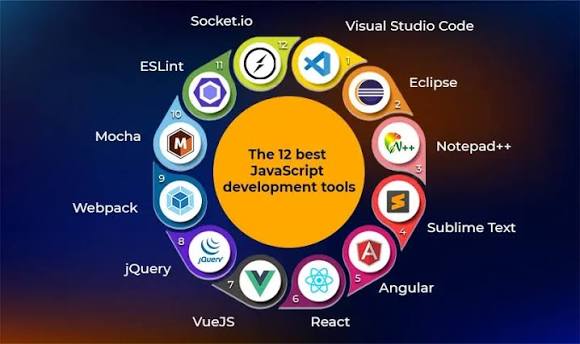
JavaScript development serves as the foundational engine for modern web interactivity, transforming static documents into highly dynamic digital experiences. Originally created by Brendan Eich in 1995 to add simple behavioral logic to browsers, it has evolved into a versatile, high-performance, full-stack programming language standard managed under ECMAScript. On the client side, it natively manipulates the Document Object Model (DOM) to alter HTML and CSS, enabling asynchronous data fetching, form validation, and instant UI updates without complete page reloads. Beyond the browser, runtime environments like Node.js allow developers to build scalable server-side systems, databases, and APIs using the exact same syntax. Backed by an extensive ecosystem of enterprise frameworks like React, Angular, and Vue—alongside its strongly typed superset, TypeScript—JavaScript development remains a dominant, multi-paradigm approach that powers everything from cloud-based software systems to mobile and desktop applications. JavaScript development serves as the foundational engine for modern web interactivity, transforming static documents into highly dynamic digital experiences. Originally created by Brendan Eich in 1995 to add simple behavioral logic to browsers, it has evolved into a versatile, high-performance, full-stack programming language standard managed under ECMAScript. On the client side, it natively manipulates the Document Object Model (DOM) to alter HTML and CSS, enabling asynchronous data fetching, form validation, and instant UI updates without complete page reloads. Beyond the browser, runtime environments like Node.js allow developers to build scalable server-side systems, databases, and APIs using the exact same syntax. Backed by an extensive ecosystem of enterprise frameworks like React, Angular, and Vue—alongside its strongly typed superset, TypeScript—JavaScript development remains a dominant, multi-paradigm approach that powers everything from cloud-based software systems to mobile and desktop applications. JavaScript development serves as the foundational engine for modern web interactivity, transforming static documents into highly dynamic digital experiences. Originally created by Brendan Eich in 1995 to add simple behavioral logic to browsers, it has evolved into a versatile, high-performance, full-stack programming language standard managed under ECMAScript. On the client side, it natively manipulates the Document Object Model (DOM) to alter HTML and CSS, enabling asynchronous data fetching, form validation, and instant UI updates without complete page reloads. Beyond the browser, runtime environments like Node.js allow developers to build scalable server-side systems, databases, and APIs using the exact same syntax. Backed by an extensive ecosystem of enterprise frameworks like React, Angular, and Vue—alongside its strongly typed superset, TypeScript—JavaScript development remains a dominant, multi-paradigm approach that powers everything from cloud-based software systems to mobile and desktop applications.