

The design and fabrication of solar panels and their supporting structures involve two main areas: photovoltaic (PV) module manufacturing (the panel itself) and mounting structure structural engineering (the frame or stand that secures the panel). [1, 2, 3, 4]
A complete breakdown of the design layers and fabrication steps required to build a functioning solar system is detailed below.
1. Photovoltaic (PV) Module Design & Fabrication
The fabrication of the solar panel itself is a highly precise chemical and electronic process. [1, 2]
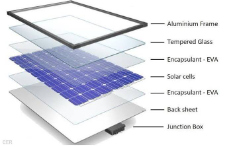
- Layered Assembly Design: A standard solar panel uses a sandwiched layer configuration to protect the delicate silicon wafers:
- Tempered Glass Top: High-transmittance glass to protect against impacts (like hail) while letting in maximum sunlight.
- Encapsulant (EVA Film): Ethylene-vinyl acetate sheets seal the cells and prevent moisture ingress.
- Solar Cells: Silicon wafers interconnected using tabbing ribbons.
- Encapsulant (EVA Film): A second backing layer of protective film.
- Backsheet: A weather-resistant polymer layer for electrical insulation and moisture blockage. [1, 2, 3]
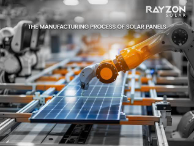
- The Fabrication Process:
- Silicon Ingot & Wafering: Quartz sand is purified into electronic-grade silicon, melted, and pulled into ingots, which are sliced into wafers thinner than 200 micrometers.
- Cell Processing: Wafers are treated with chemical textures and anti-reflective coatings to optimize light absorption. Metal contacts (silver lines) are printed onto the cell to capture current.
- Stringing & Matrix Assembly: Individual cells are soldered together in series using copper/silver tabbing wires to achieve the target voltage.
- Lamination: The entire sandwich stack is placed into a vacuum laminator, heated, and compressed into a single, tightly sealed unit.
- Framing and Junction Box: An anodised aluminum frame is pressed onto the perimeter with silicone sealant for structural rigidity. A junction box containing bypass diodes is adhered to the back for safe electrical output wiring. [1, 2, 3, 4, 5]
2. Mounting Structure Design & Fabrication (Racks and Stands)
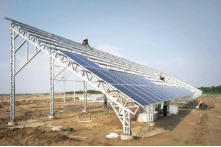
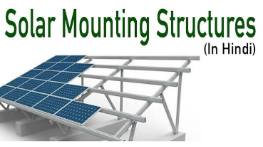
The structure supporting the solar panel requires careful engineering to ensure it can withstand localized wind loads, dead weight, and seasonal weather changes. [1, 2]
- Material Selection:
- Hot-Dip Galvanized Iron (GI): The most common choice for ground mounts and robust rooftop stands due to its structural strength and high corrosion resistance.
- Extruded Aluminum: Preferred for rooftop systems because it is lightweight, naturally rust-resistant, and can be custom-profiled for tight-tolerance snap-lock framing. [1, 2, 3]
- Engineering Design Considerations:
- Tilt Angle: The structure must hold panels at an angle relative to the local latitude to optimize annual solar radiation.
- Wind Loading: Structures must be calculated to withstand crosswinds without warping or tearing off the roof or ground anchorage.
- Thermal Expansion: Multi-panel arrays require expansion gaps within the rail joints to account for materials expanding in extreme summer heat. [1, 2, 3, 4]
- Structure Types:
Watch this step-by-step factory overview to see how raw silicon is refined, sliced, and fully assembled into commercial solar panels: