
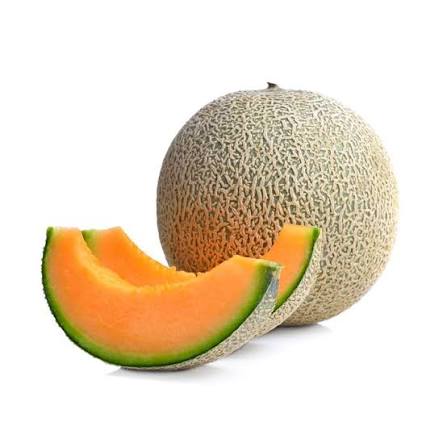
A melon is a sweet, fleshy, and highly refreshing fruit belonging to the Cucurbitaceae family, which also includes cucumbers, squashes, and gourds. Botanically, a melon is classified as a pepo (a specialized type of multi-seeded berry with a tough outer rind). Composed of roughly 90% water, melons are a popular low-calorie summer food prized for their hydrating qualities, rich aroma, and high vitamin A and C content. [1, 2, 3, 4, 5]
Main Culinary Categories
The extensive world of melons is generally split into two prominent botanical groups: [1]
- The Cucumis Genus (True Melons): These feature a distinct central seed cavity.
- Cantaloupe / Muskmelon: Characterized by a tan, web-like “netted” rind and a sweet, musky aroma, featuring a vibrant orange flesh.
- Honeydew: Recognizable by its smooth, pale green or yellowish skin and a subtly sweet, crisp green flesh.
- Canary & Galia: Exotic varieties offering bright yellow rinds or deeply perfumed aromatics. [1, 2, 3, 4]
- The Citrullus Genus (Watermelons): Unlike true melons, Watermelons (Citrullus lanatus) have their seeds spread evenly throughout the dark pink or red flesh rather than a central hollow cavity. They are often considered the sweetest and most refreshing variant. [1, 2, 3]
Selection and Ripeness Tips
To ensure you choose a ripe fruit at the market, look for these common indicators: [1, 2]
- Weight: A ripe melon should feel heavy for its overall size, indicating high juice content.
- Aroma: Smell the stem end; true melons should give off a sweet, fragrant, and slightly musky odor.
- Texture: The blossom end (opposite the stem) should have a slight yield or “give” when gently pressed with your thumb. [1, 2, 3]
Are you interested in learning about how to grow melon plants, looking for popular melon recipes, or trying to identify a specific variety of melon?