
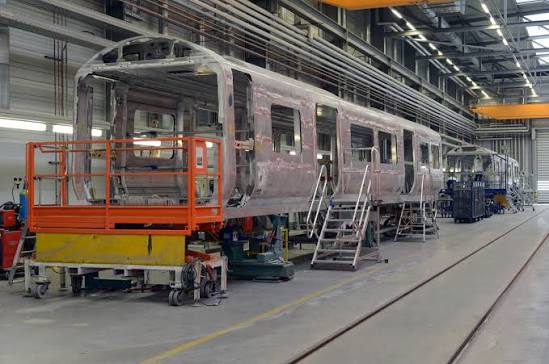
Train design and fabrication is a complex multidisciplinary engineering discipline that translates advanced aerodynamics and stress analytics into robust rolling stock. The modern rolling stock production pipeline relies heavily on heavy metal fabrication, precision machining, and specialized sub-assembly setups. [1]
🛠️ The Train Manufacturing Process
The transition from a CAD blueprint to a physical locomotive or passenger car follows a strict mechanical workflow:
[CAD Design & Simulation] ➔ [Laser Cutting & Bending] ➔ [Sub-Assembly Welding] ➔ [Shell Integration] ➔ [Stress Relieving] ➔ [Outfitting & Testing]
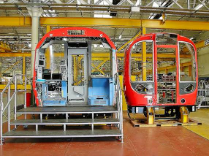
1. Carbody & Shell Fabrication
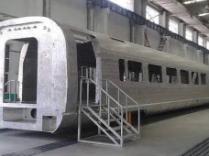
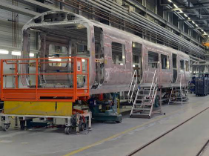
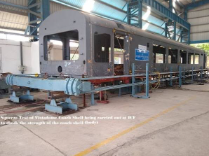
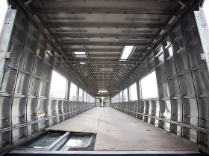
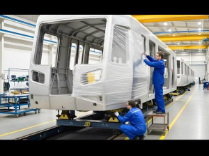
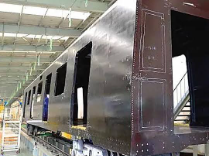
The superstructure or carbody shell is built to endure massive dynamic stresses while minimizing weight to increase energy efficiency. [1]
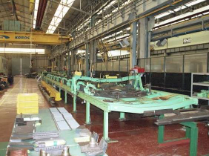
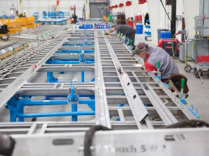
- Material Processing: High-speed laser cutting tables and heavy CNC press brakes form modular components like side walls, roof panels, and the main underframe from raw sheets of stainless steel or aluminium alloys. [1]
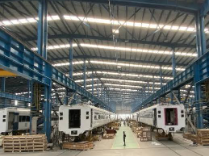
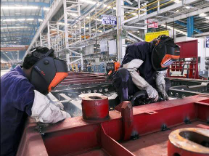
- Body Assembly: Sub-assemblies are clamped into large framing jigs where manual and robotic CNC systems weld the underframe, side walls, and roof together. [1]
- Skin Tensioning: Once the shell is structurally complete, it undergoes controlled thermal processing to stretch and stress-relieve the outer skin sheets. This removes welding distortions and structurally hardens the metal. [1]
2. Bogie (Running Gear) Engineering
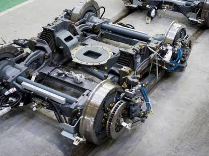
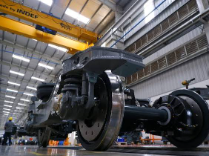
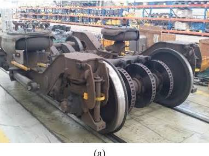
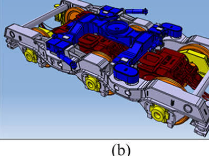
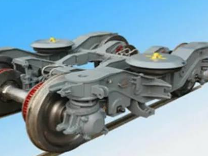
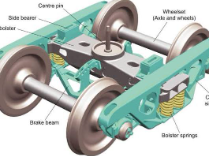
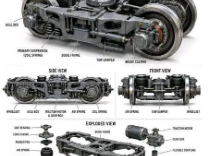
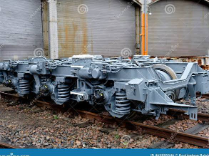
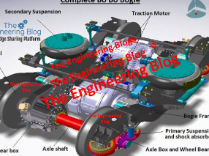
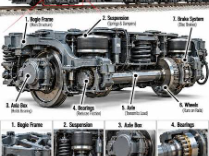
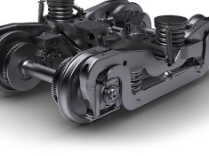
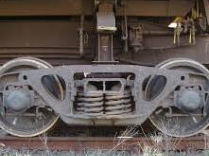
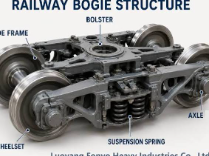
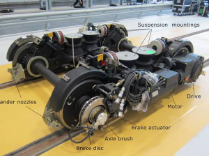
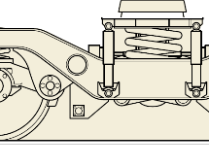
The bogie (or truck) is the structural frame beneath the train car that holds the wheelsets, axles, braking systems, and traction motors. Because bogies absorb the direct impacts of track travel, cast frames have largely been replaced by high-durability welded plate designs. [1]
- Heavy Fabrication: Thick plates of high-tensile carbon steel are profiled and multi-pass welded using specialized positioning manipulators to ensure deep weld penetration.
- Fatigue Management: Given the immense repeating cyclic loads of railway tracks, engineers execute rigorous weld profiling and post-weld stress relief to prevent micro-fissures and sudden fatigue failure over millions of operating cycles. [1]
3. Interior Furnishing & Mechanical Integration
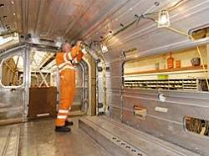
After the structurally sound, painted shell is lowered and locked onto its bogies, it passes into the final outfitting bay. [1]
- Systems Routing: Technicians install heavy HVAC units, under-slung power electronics, control routing networks, and brake pneumatic lines.
- Passenger Cabin Assembly: Soundproofing insulation panels are fixed against the bare metal shell before composite wall panels, lighting grids, seating arrangements, and automated sliding door systems are populated. [1, 2]
📐 Scale Modelling & Rapid Prototyping
Before full-scale assembly begins at industrial plants—such as India’s Integral Coach Factory or global facilities—design houses rely heavily on physical prototyping to test fit, form, and ergonomics. [1, 2]
For enthusiasts and industrial designers alike, creating scale models is a popular method to evaluate designs. This ranges from cutting structural sheets out of affordable PVC or acrylic using 2D CAD layouts to deploying intricate precision hobby kits: [1]
| Model Type | Primary Fabrication Material | Movement Mechanism | Complexity |
|---|---|---|---|
| Industrial / Hobby 3D Kits | Laser-cut composite plywood / Metal alloys | Wind-up rubber band / Spring ratchet motor | Medium to Advanced |
| Scratch-Built Scale Models | Flattened PVC pipe sheets / Acrylic plastic | Integrated DC electric motors + RC systems | Expert DIY |
| Low-Poly Papercraft | Heavy cardstock / Cardboard | Static display piece | Beginner |
Are you researching train design for an industrial engineering application, or are you looking to design and build a DIY scale train model? Let me know so I can share specific CAD guidelines or material recommendations.